
Provides access to a simple and organized graphical interface designed to help you control Tor and anonymize your internet activity.. #Control Tor #Tor gui #Tor controller #Controller #Tor #Manager
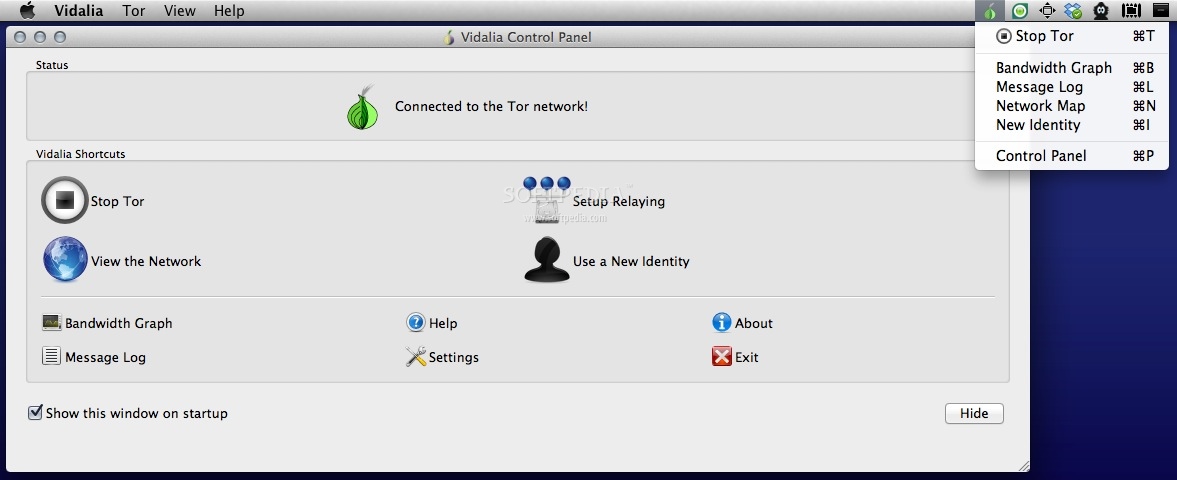
Vidalia provides a graphical user interface for controlling Tor in a simple and intuitive manner. The Tor project aims at making your internet activity anonymous and help you protect your identity, regardless of your reason.
Vidalia is designed to run on most architectures that are supported by Qt 4.3 or later. The app is extremely easy to install: make sure Tor is already installed on your Mac and then simply copy the Vidalia app to your drive.
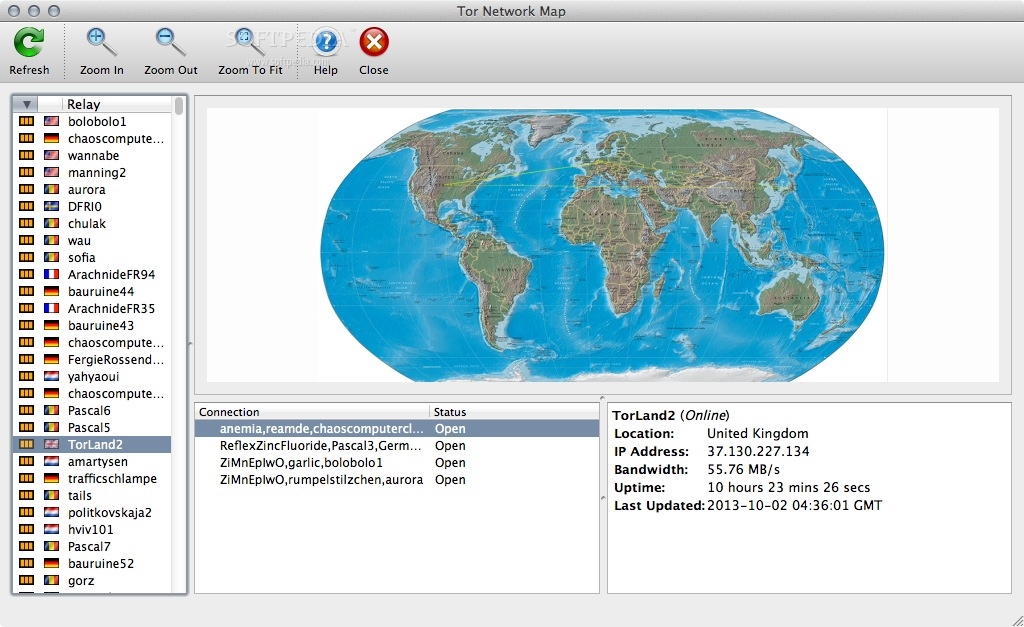
The Vidalia Control Panel displays the current Tor status and provides quick access to some of its features. You will be able to quickly start or stop the service, visualize the network and all active relays, start relaying or choose to use a new identity.
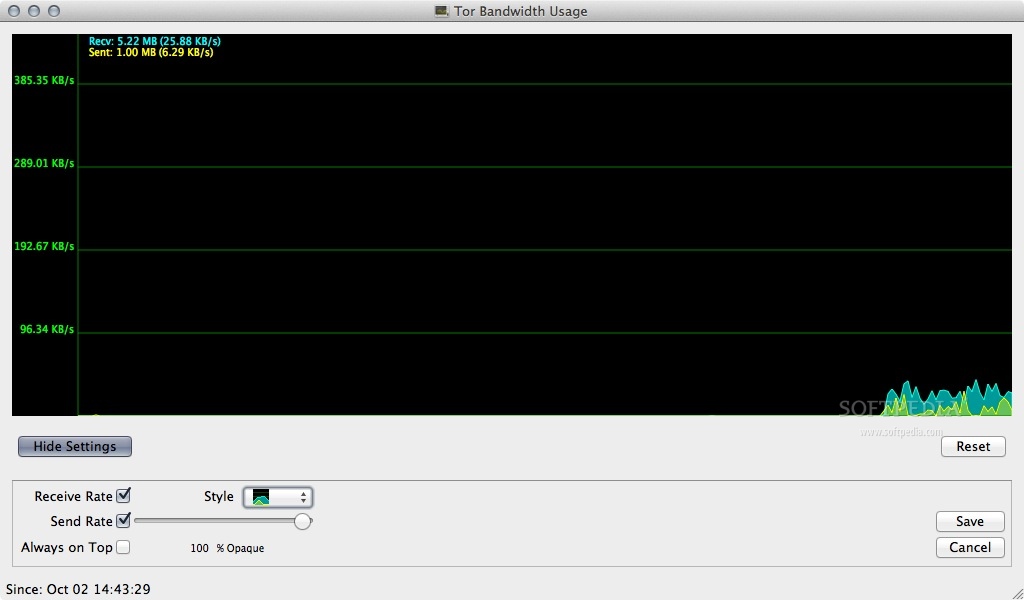
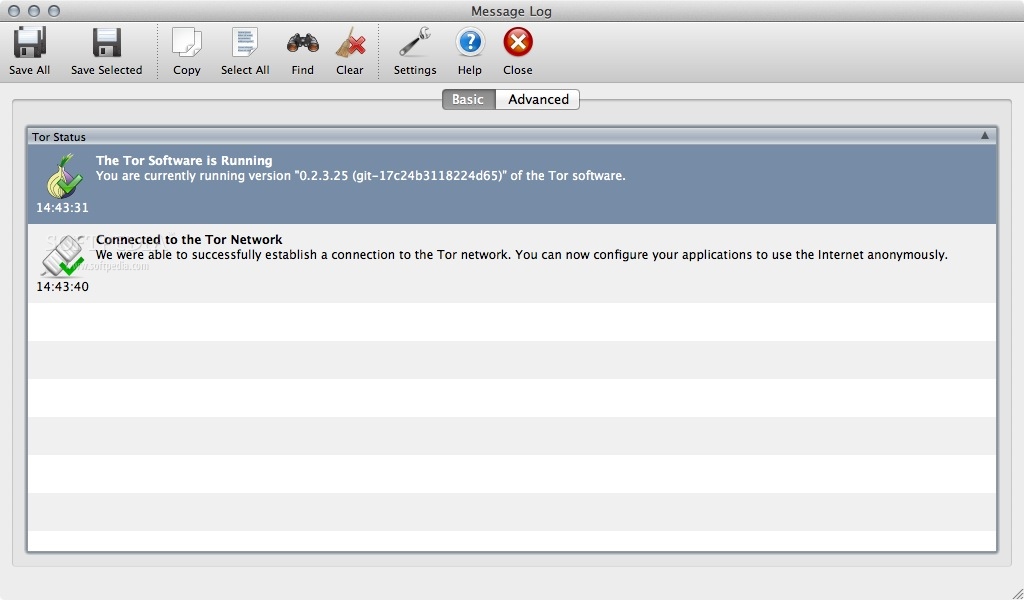
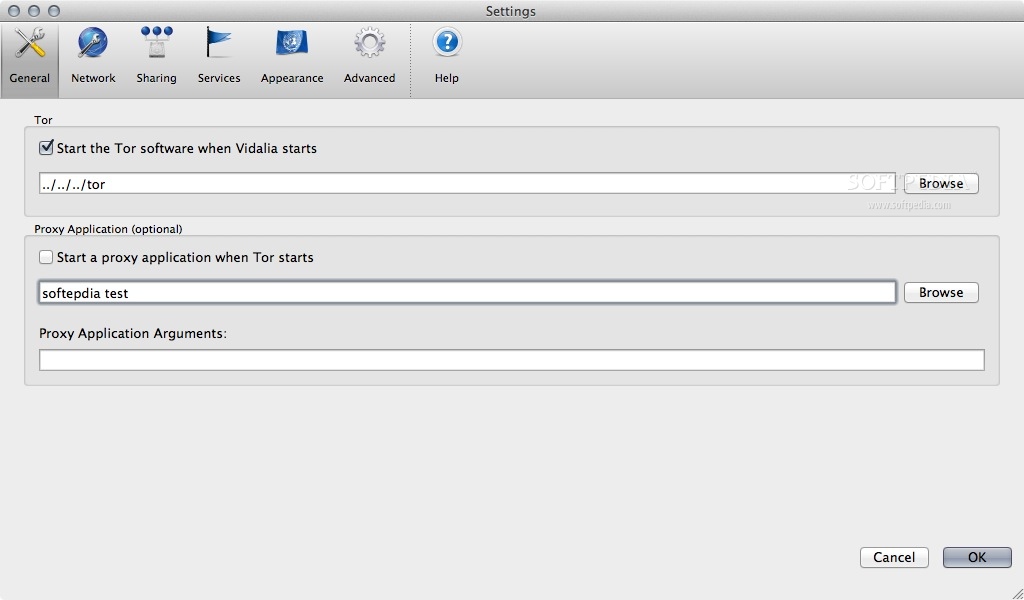
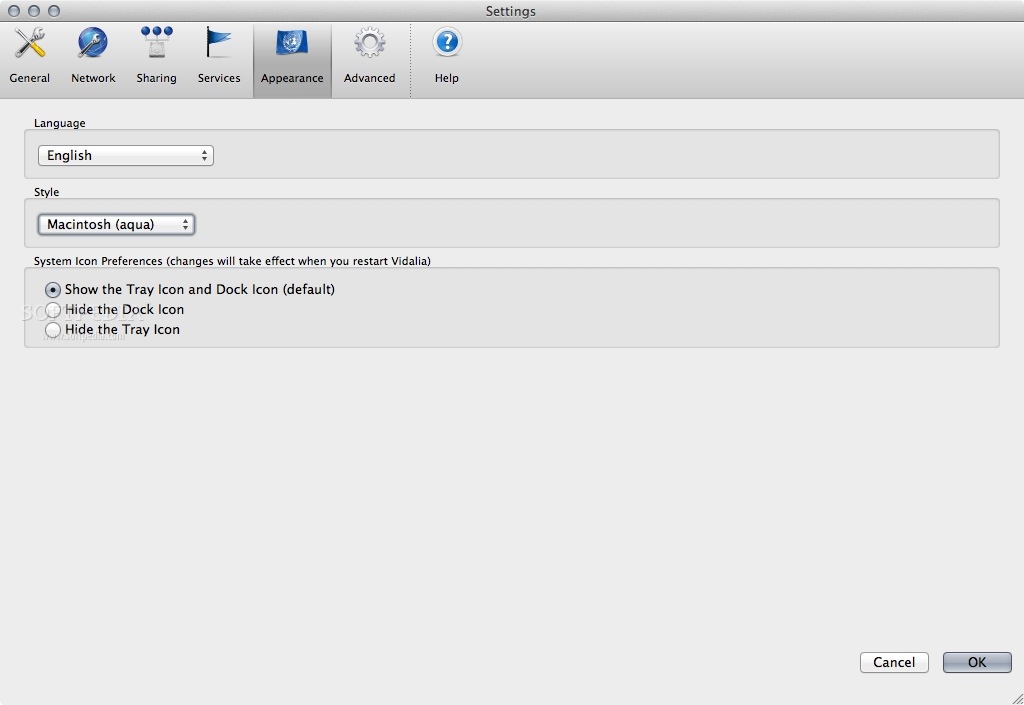
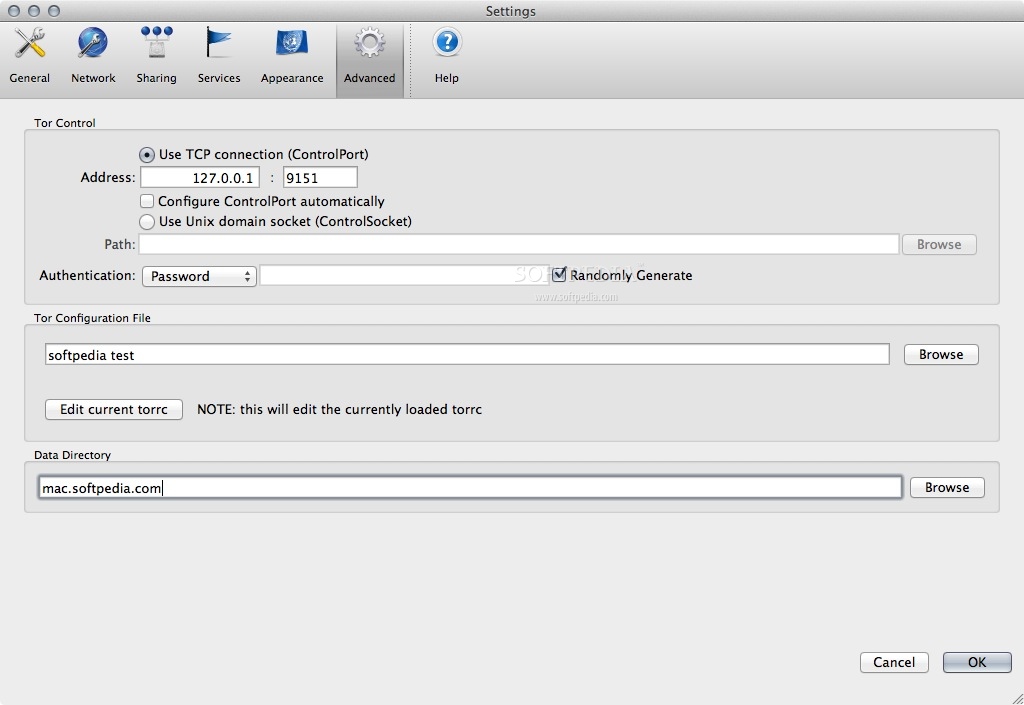
You can monitor the Tor bandwidth usage, access the Message Log window or the Settings panel. Knowing how to set up Tor correctly is very important if you want to keep the service running properly and remain protected. The extensive Help document provides details about each option included in the Settings area.
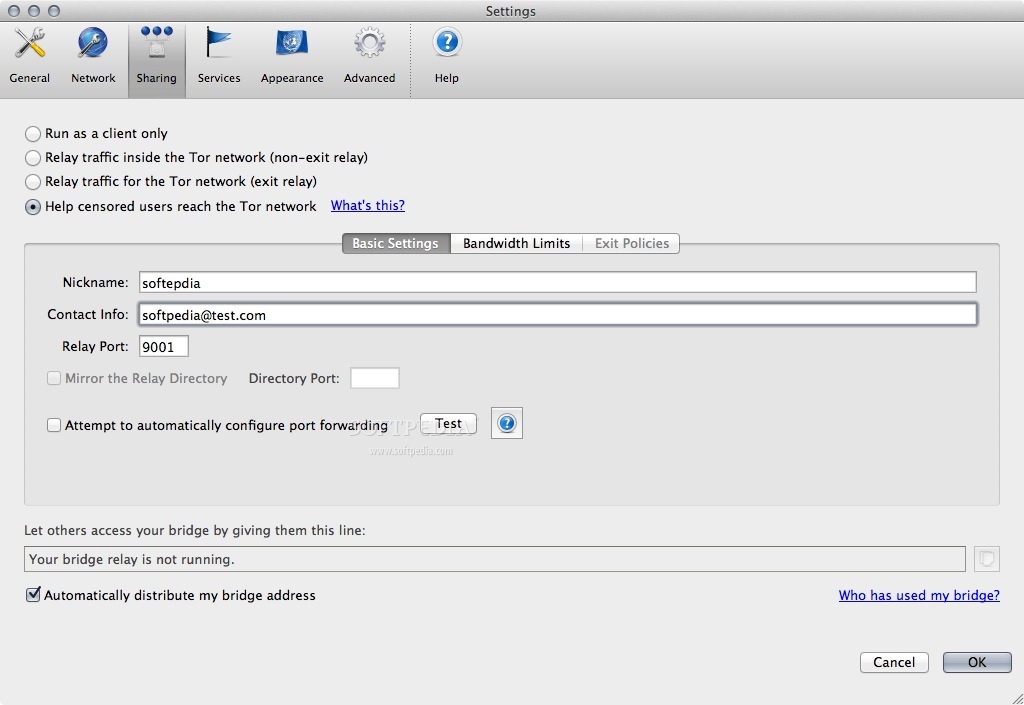
Via the Settings window you can set up your own Tor relay if you want to be a part of the network. Take into account that Vidalia does not work if Tor is not already installed on your Mac.
The developers recommend downloading the Tor Browser Bundle, which is a user friendly Tor version and contains Tor, Vidalia and all you need to quickly start browsing the internet anonymously.
However, although it is more time consuming and complicated, you can install Tor manually and be protected all the time, not only when you use the Tor Browser.
Vidalia is an easy to use controller application that will prove extremely useful if you want to start and stop the Tor without using the command line.
System requirements
What's new in Vidalia 0.2.4.20:
- Don't wait so long before attempting to reload the router list if the ns/all command returned empty. Fixes bug 6483.
- Stop trying to load router information if torControl is not connected anymore. Fixes bug 6482.
- Save ControlPortWriteToFile with a relative path instead of an absolute one. Fixes bug 6568.
- Fix RouterDescriptor's bandwidth and uptime values when defined from the consensus. Fixes bug 6601.
Vidalia 0.2.4.20
add to watchlist add to download basket send us an update REPORT- runs on:
- Mac OS X 10.0 or later (Intel only)
- file size:
- 13.3 MB
- filename:
- vidalia-bundle-0.2.3.25-0.2.21-ppc-1.dmg

- main category:
- Network/Admin
- developer:
- visit homepage
IrfanView

ShareX
Zoom Client

calibre
Microsoft Teams
7-Zip
4k Video Downloader

Bitdefender Antivirus Free
Windows Sandbox Launcher
Context Menu Manager
- Bitdefender Antivirus Free
- Windows Sandbox Launcher
- Context Menu Manager
- IrfanView
- ShareX
- Zoom Client
- calibre
- Microsoft Teams
- 7-Zip
- 4k Video Downloader