
Cross-platform and enthralling flight simulator featuring one of the most physics realistic flight models available today on a personal computer. #Plane simulator #Flight simulator #Fly plane #Plane #Simulator #Flight
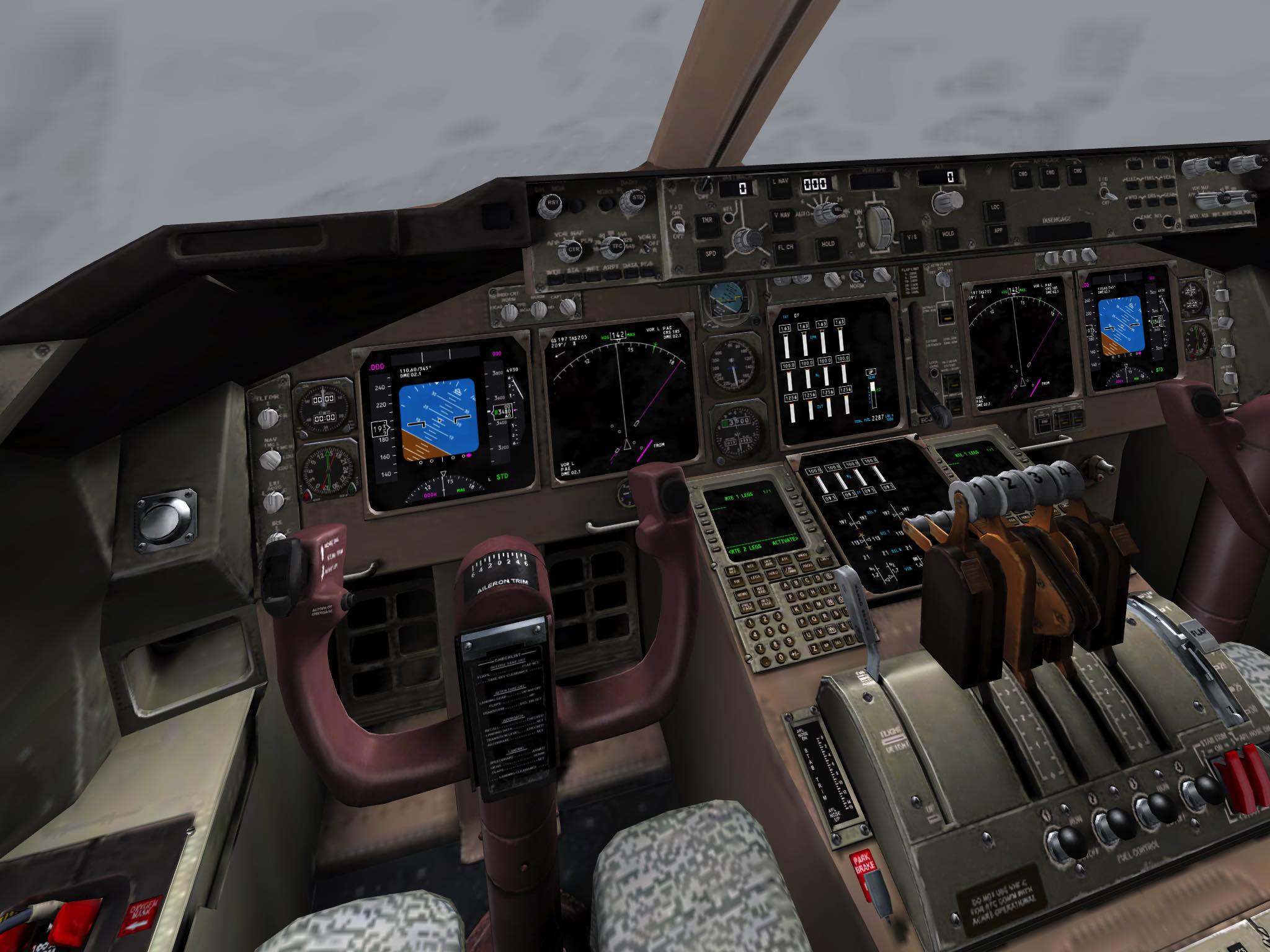
X-Plane is a powerful and exhaustive flight simulator that makes it simple to experience flying any plane in a wide variety of situations from the comfort of your home desk.
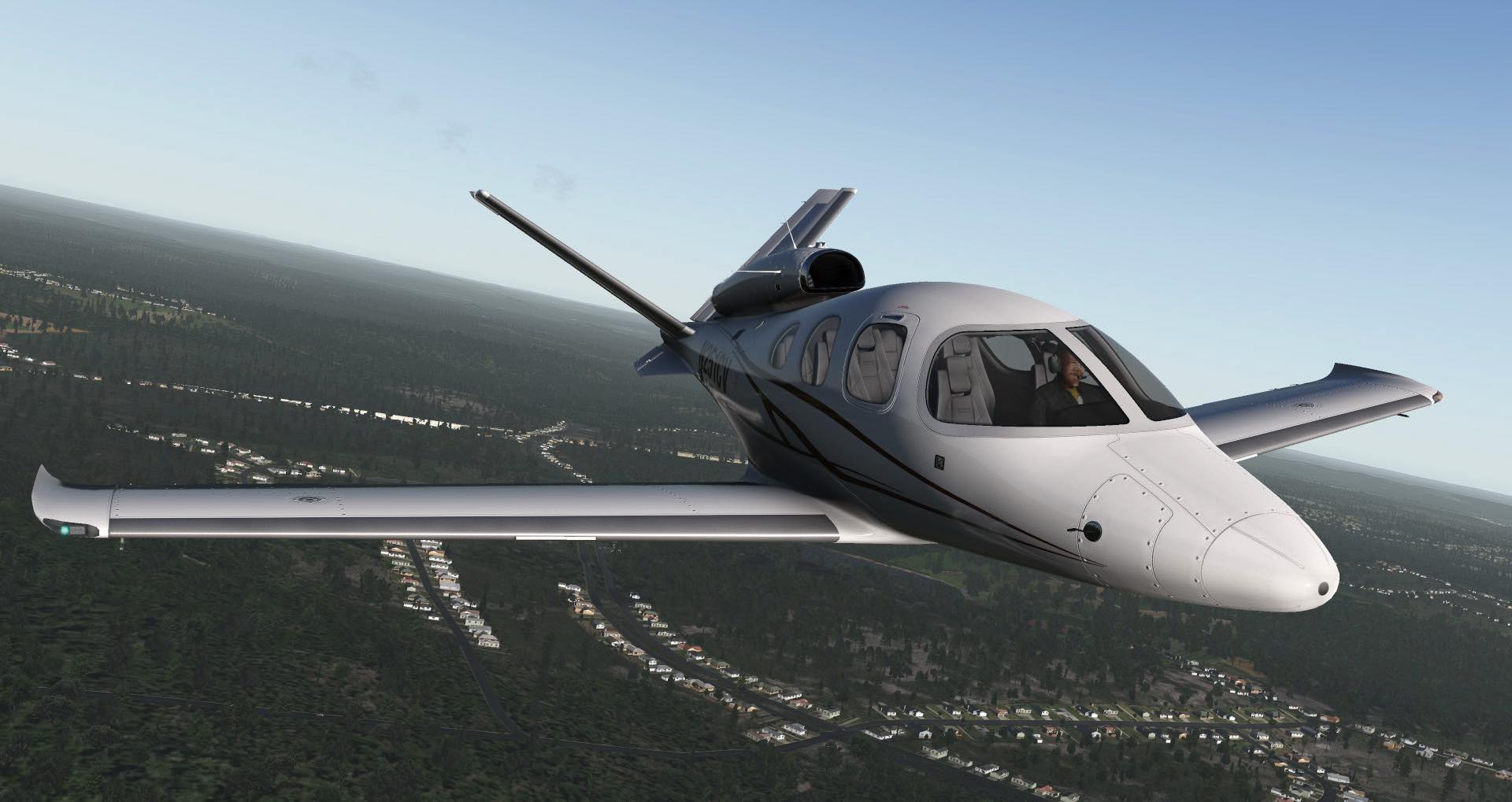
The X-Plane simulator includes support for simulating the flight patterns of jets, single- and multi-engine airplanes, as well as gliders, helicopters, and VTOLs, such as the V-22 Osprey and AV8-B Harrier.
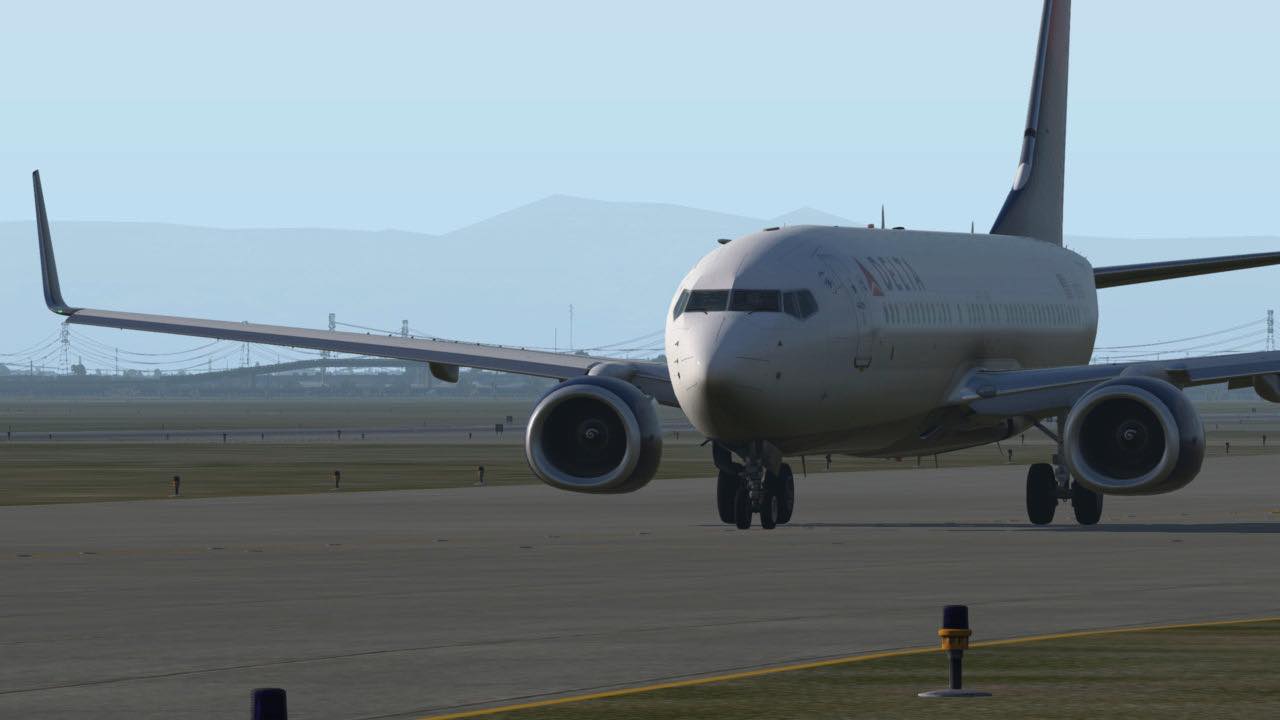
Moreover, X-Plane also includes more than 30 different aircraft models within the standard installation package, allowing you to fly within a virtual environment using airplane models spanning the entire aviation industry and history.
X-Plane’s user experience can be further enhanced by downloading more than a couple of hundred more plane models freely available via the Internet.
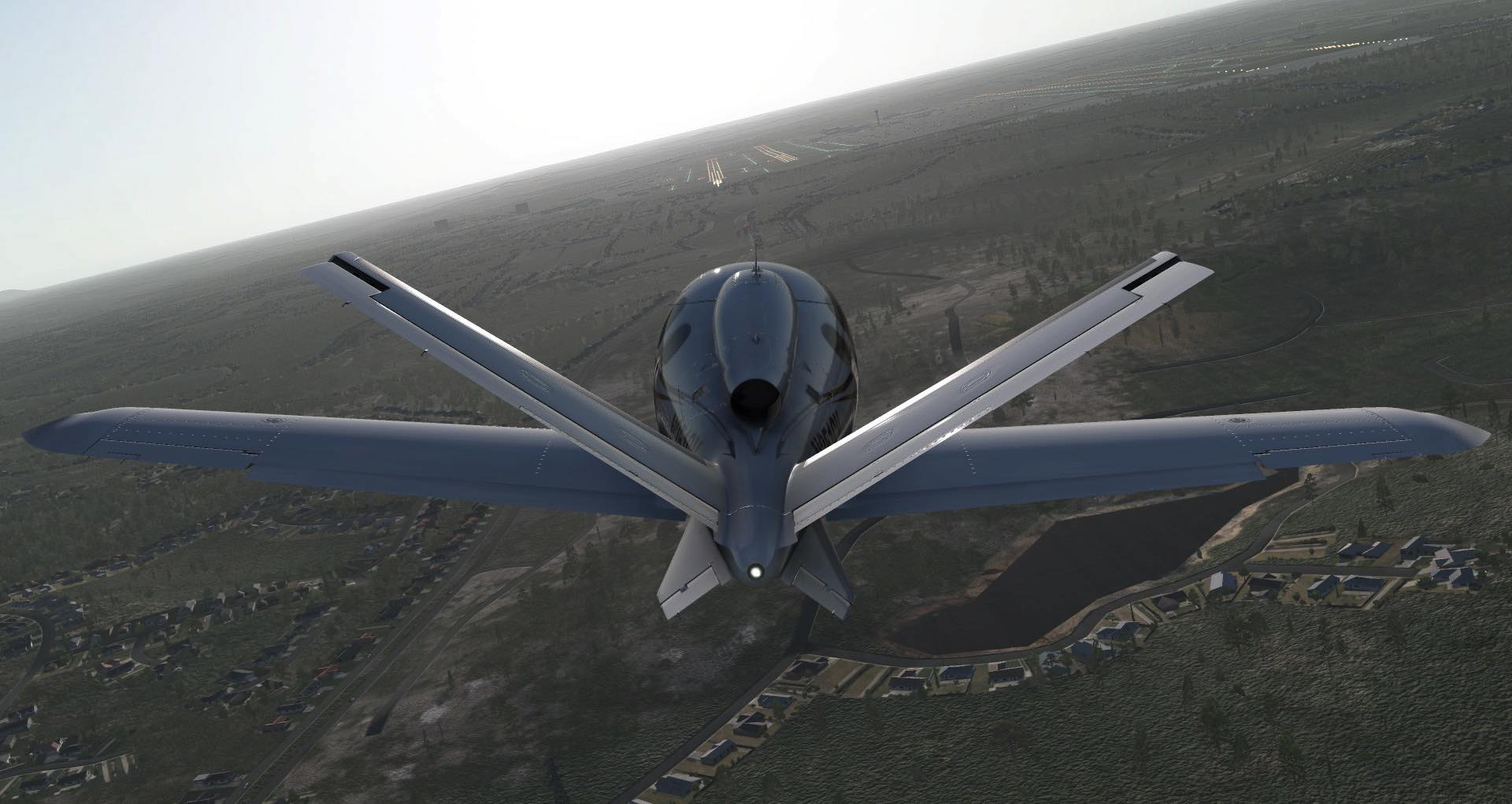
No while flying using X-Plane you will be able to enjoy a breath-taking world wide scenery which, although entirely simulated, makes it possible to fly your plane either over the most beautiful looking landscapes on Earth or over the desolate mountains and planes of Mars.
What’s more, when you want to finish the flight, X-Plane makes it possible to land on any one of the included 18.000 and more airports or put your skills to the ultimate test while trying to land on a moving aircraft carrier, on helipads, on frigates sliding across troubled ocean waters and even on constantly hit by huge waves oil rigs.
As an extra advantage, the X-Plane flight simulator has been designed from the get-go to offer its users with a 100% accurate flight experience and, thus, it manages to overthrow all other similar software solutions in customizability, adaptability, and the massive number of freely downloadable plane models.
If you need further details and usage instructions, as well as a complete list of all available aircrafts in the default install, you can visit its comprehensive X-Plane online manual page.
X-Plane 12.0.9
add to watchlist add to download basket send us an update REPORT- runs on:
- macOS 10.15 or later (Universal Binary)
- file size:
- 23.3 MB
- filename:
- X-Plane12InstallerMac.zip



- main category:
- Games
- developer:
- visit homepage
4k Video Downloader

Windows Sandbox Launcher
7-Zip
calibre
Zoom Client
Bitdefender Antivirus Free

paint.net
IrfanView
Microsoft Teams

ShareX
- IrfanView
- Microsoft Teams
- ShareX
- 4k Video Downloader
- Windows Sandbox Launcher
- 7-Zip
- calibre
- Zoom Client
- Bitdefender Antivirus Free
- paint.net