
A free and open source graph database. #Graph database #Java persistence engine #Java database #Database #Graph #Java persistence
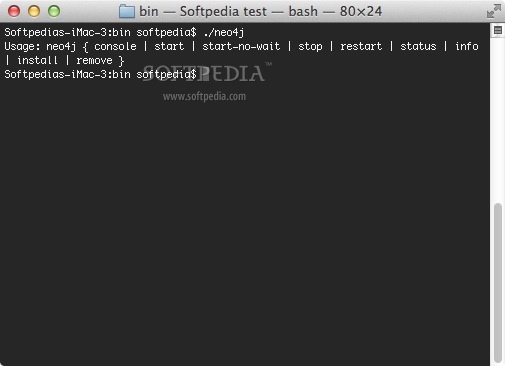
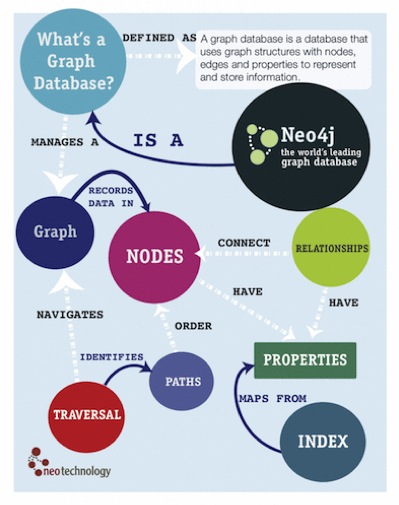
Neo4j is an embedded, disk-based, fully transactional Java persistence engine that stores data structured in graphs rather than in tables.
A graph (mathematical lingo for a network) is a flexible data structure that allows a more agile and rapid style of development.
You can think of Neo4j as a high-performance graph engine with all the features of a mature and robust database. The programmer works with an object-oriented, flexible network structure rather than with strict and static tables — yet enjoys all the benefits of a fully transactional, enterprise-strength database.
Neo4j includes the usual database features: ACID transactions, concurrency control, transaction recovery, durable persistence, and everything else you would expect from an enterprise-strength database.
What's new in Neo4j 2.2.5:
- Resolves a critical issue with incremental backups (Neo4j Enterprise), that could result in database inconsistencies after restoring from backup.
- Resolves a locking issue that could occur in a High Availability deployment (Neo4j Enterprise), which could result in locks being held too long on cluster slaves and resulting is possible deadlock scenarios.
- Resolved a rare race condition in index lookups, which could result in matched entities not being found by an index lookup.
- Updates the neo4j import tool to handle the --multiline-field option when importing from CSV.
Neo4j 2.2.5 / 2.3.0 M01
add to watchlist add to download basket send us an update REPORT- runs on:
- Mac OS X (-)
- file size:
- 56.1 MB
- filename:
- neo4j-enterprise-2.2.5-unix.tar.gz
- main category:
- Developer Tools
- developer:
- visit homepage
ShareX
Bitdefender Antivirus Free

Windows Sandbox Launcher

7-Zip
Zoom Client

4k Video Downloader

Context Menu Manager
IrfanView

Microsoft Teams

calibre
- IrfanView
- Microsoft Teams
- calibre
- ShareX
- Bitdefender Antivirus Free
- Windows Sandbox Launcher
- 7-Zip
- Zoom Client
- 4k Video Downloader
- Context Menu Manager