
Professional music notation package to make music scoring easier than ever, as well listen to them using built-in audio devices or MIDI synthesizers. #Music notation #Print music score #Export music score #Music score #Notation #Print
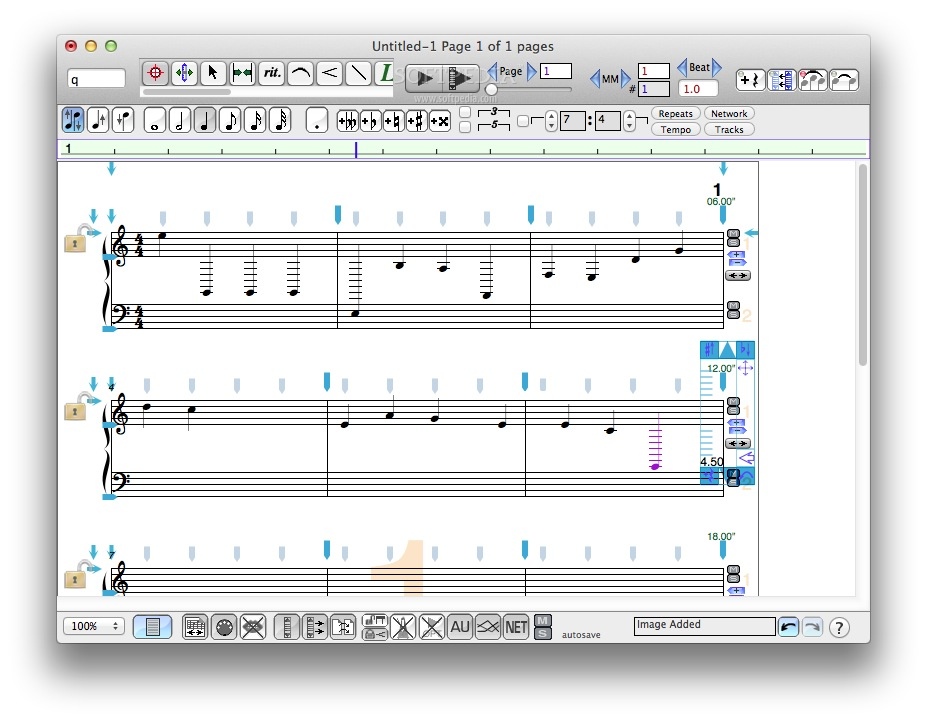
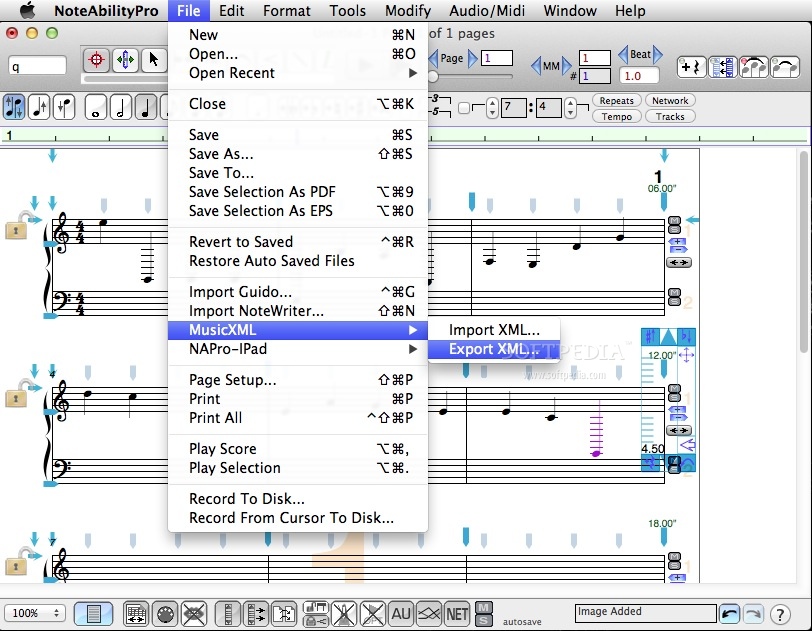
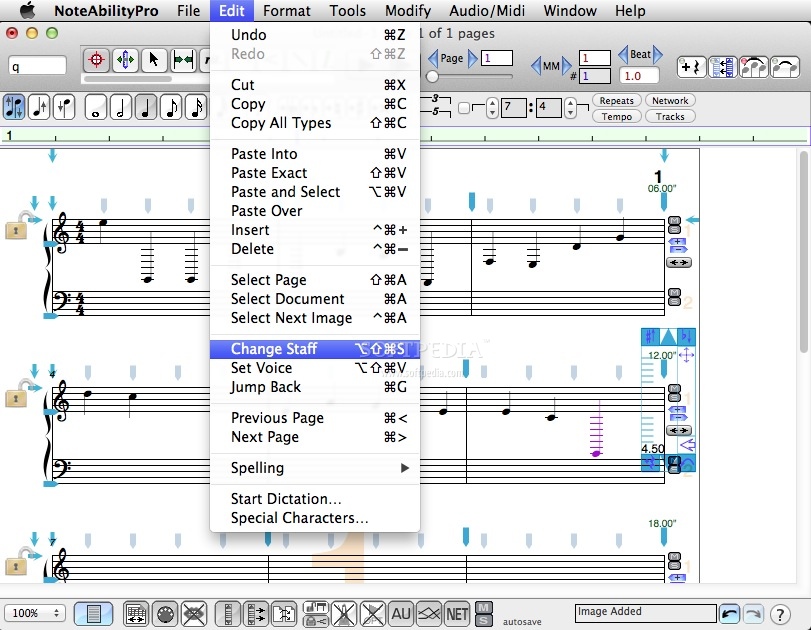
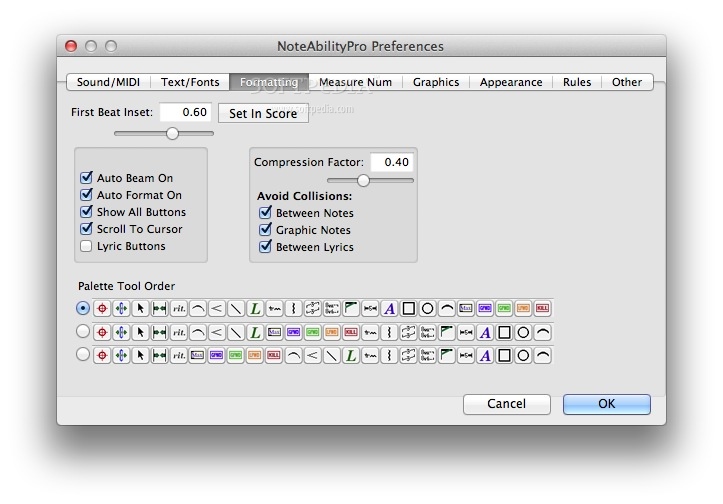
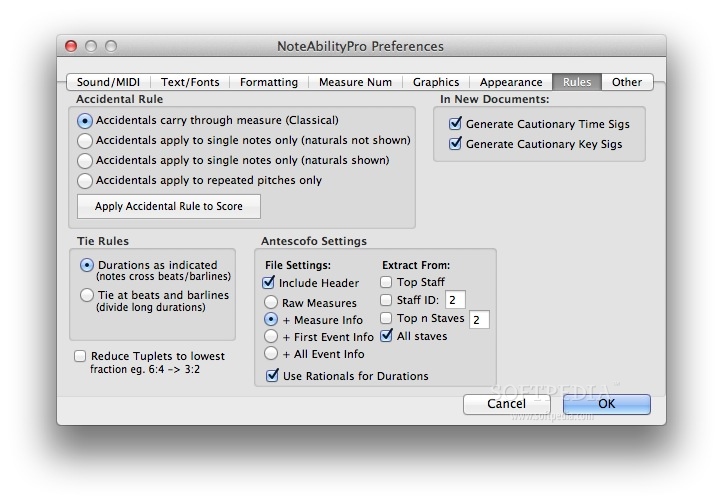
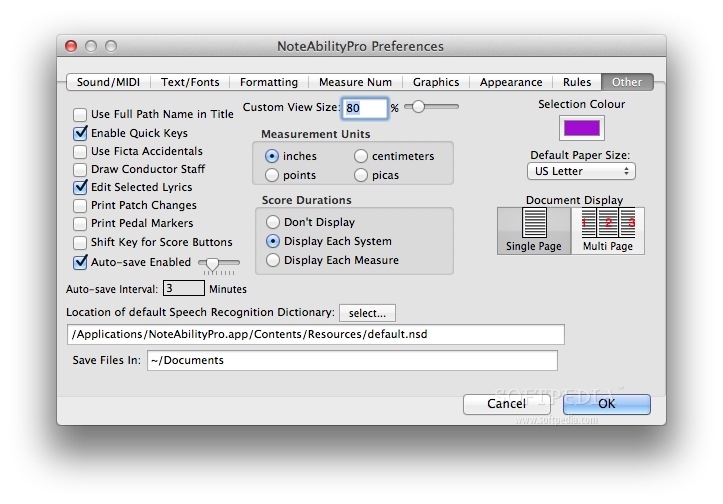
NoteAbility Pro is a feature-rich macOS app that enables you to generate beautiful music scores quickly and accurately, to listen to your score through MIDI synthesizers or built-in audio devices.
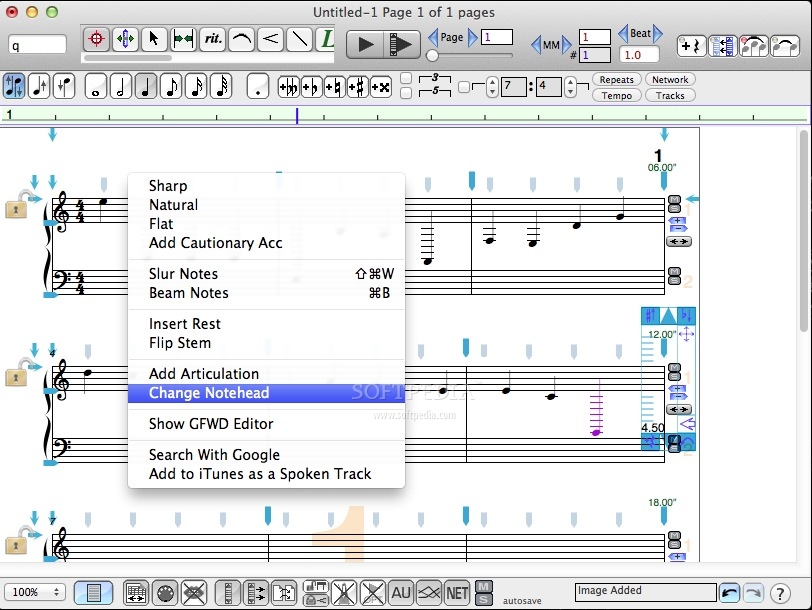
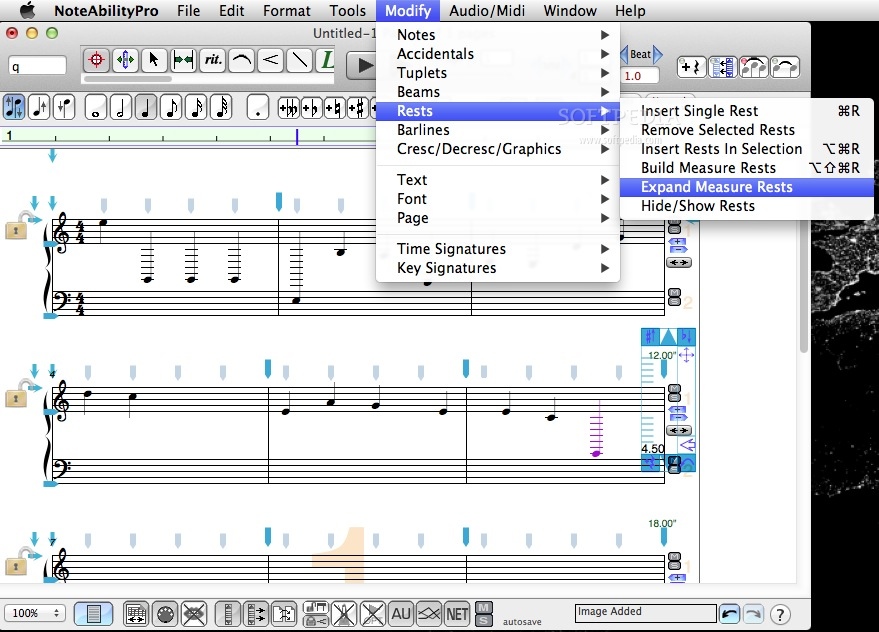
NoteAbility combines both musical intelligence and graphical flexibility in a direct and intuitive graphical user interface.
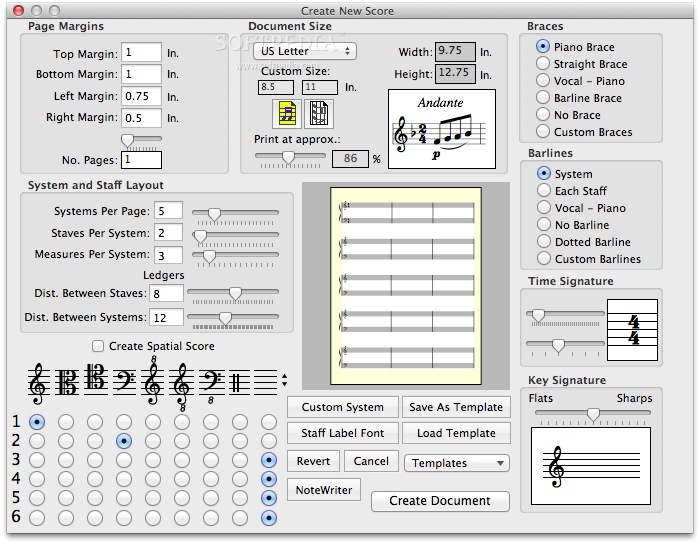
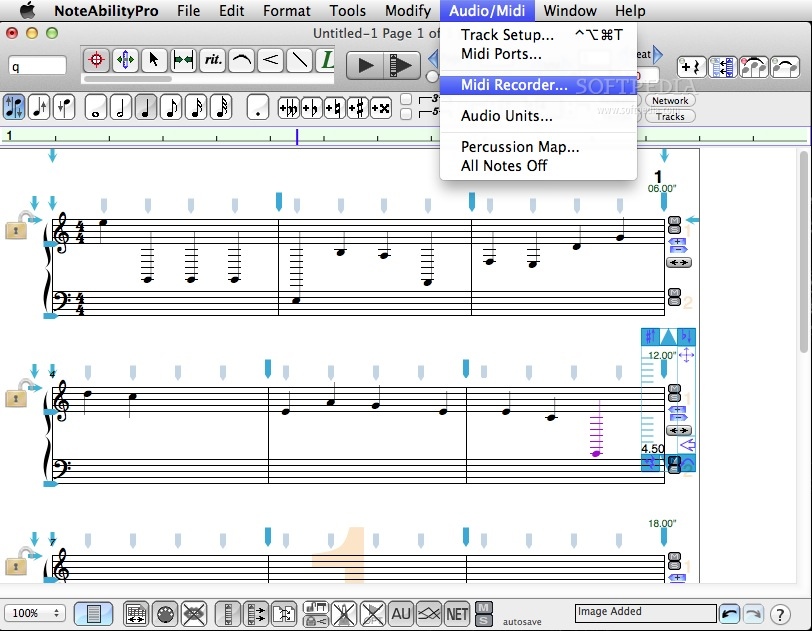
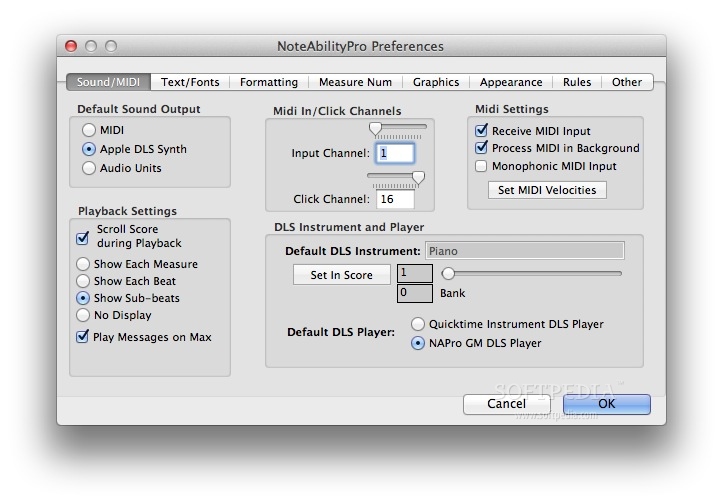
Notate anything from simple melodies to complex avant garde orchestral music, play the score on your MIDI synthesizer or using Quicktime Musical Instruments and print a publishable copy of your score on any macOS compatible printer.
NoteAbility Pro was designed to be as natural as possible for the composer or arranger to use.
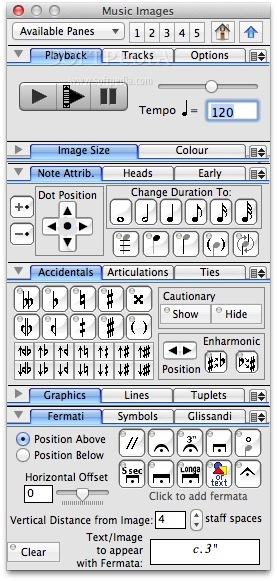
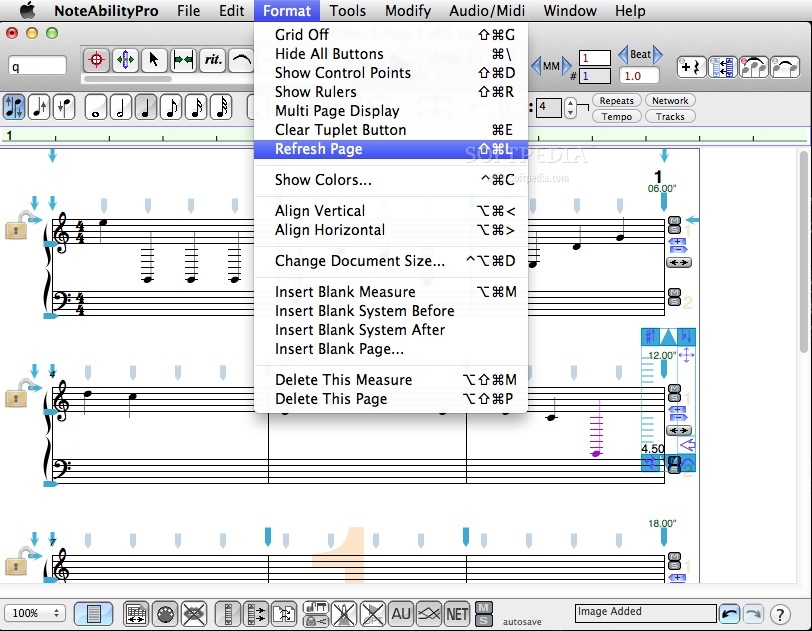
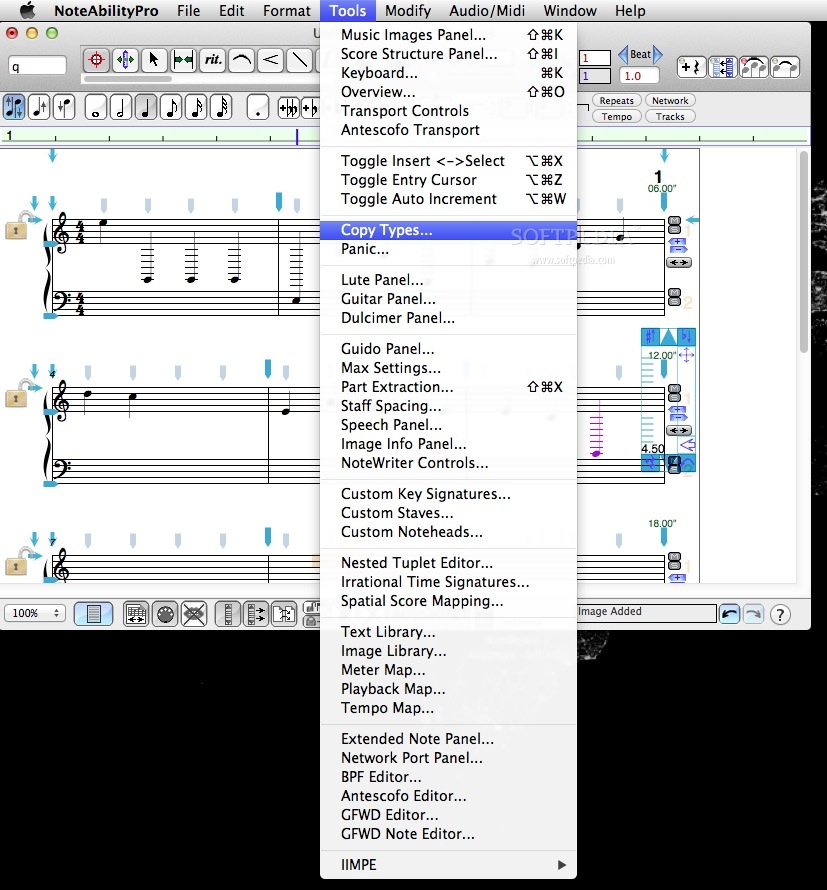
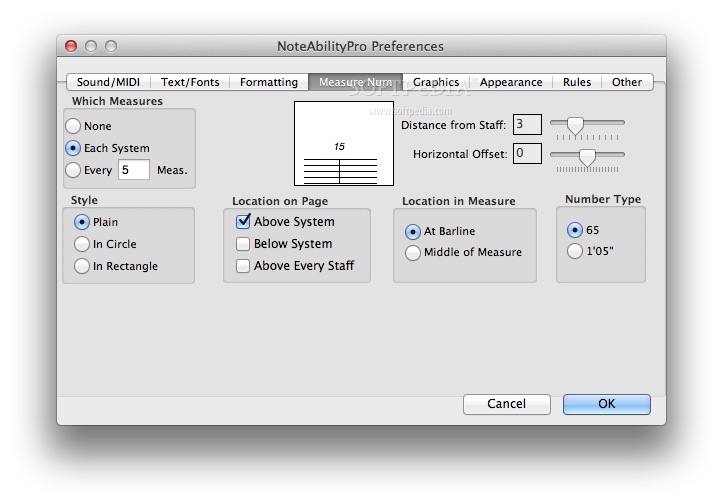
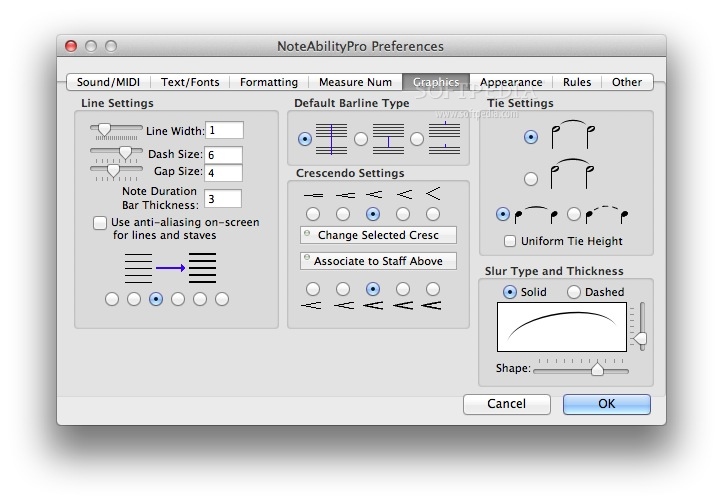
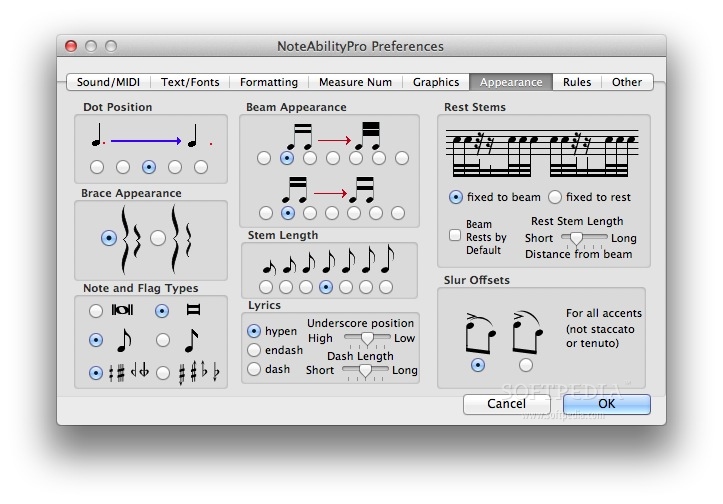
NoteAbility Pro is page-oriented in design, and emphasizes flexible graphical control of music images, intelligent automation of notational syntax, WYSIWYG (What-You-See-Is-What-You-Get) display and an accessible and a direct user interface.
System requirements
- At least 512 MB of RAM
- At least 100 MB of free disk space
- Any OS X compatible printer
- Any OS X compatible USB Midi interface (optional)
Limitations in the unregistered version
- Registration screen at startup.
- You are not allowed to save files, copy or export in certain formats, and printing is restricted to the first page only.
Download Hubs
NoteAbility Pro is part of these download collections: Music Notation Tools
NoteAbility Pro 2.646
add to watchlist add to download basket send us an update REPORT- runs on:
- Mac OS X 10.6.8 or later (Intel only)
- file size:
- 52.3 MB
- filename:
- NoteAbilityPro.zip
- main category:
- Audio
- developer:
- visit homepage
4k Video Downloader
IrfanView
ShareX
Context Menu Manager
Zoom Client
Microsoft Teams
7-Zip
Bitdefender Antivirus Free

Windows Sandbox Launcher
calibre
- Bitdefender Antivirus Free
- Windows Sandbox Launcher
- calibre
- 4k Video Downloader
- IrfanView
- ShareX
- Context Menu Manager
- Zoom Client
- Microsoft Teams
- 7-Zip